Commercial Pot & Utensil Washers for Heavy-Duty Kitchen Cleaning
Source commercial pot and utensil washers for pots, pans, trays, GN containers, bakery tools, mixer bowls and large kitchen items, with support for chamber sizing, rack configuration, utilities and export delivery.
Select the washer around the largest item and the heaviest cleaning load
Commercial pot and utensil washers are heavy-duty warewashing machines for oversized cookware, bakery tools and production utensils. Selection should follow maximum item dimensions, chamber clearance, rack arrangement, soil level, peak return volume, loading ergonomics, utilities and the complete workflow around scraping, pre-treatment, washing and clean-item handling.
Commercial pot and utensil washer configurations for different operating scales
Begin with item size, rack width and workflow, then compare chamber design, loading height, cycle arrangement, heating method, drainage and maintenance access.
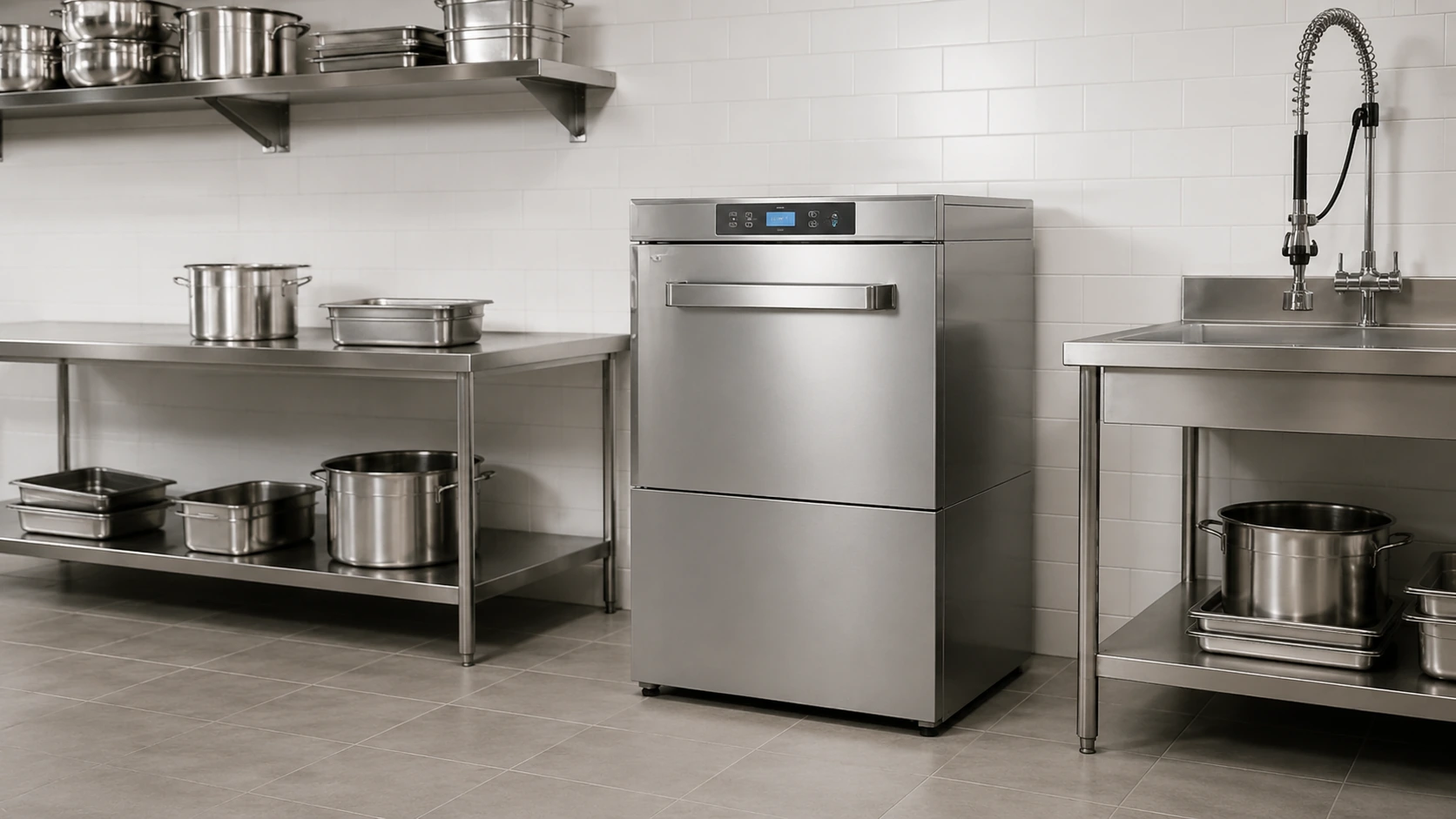
Front-Loading Pot Washers
Compact heavy-duty machines for restaurants, bakeries and medium-scale kitchens where large items must be washed in a dedicated chamber without occupying an oversized dishroom area.
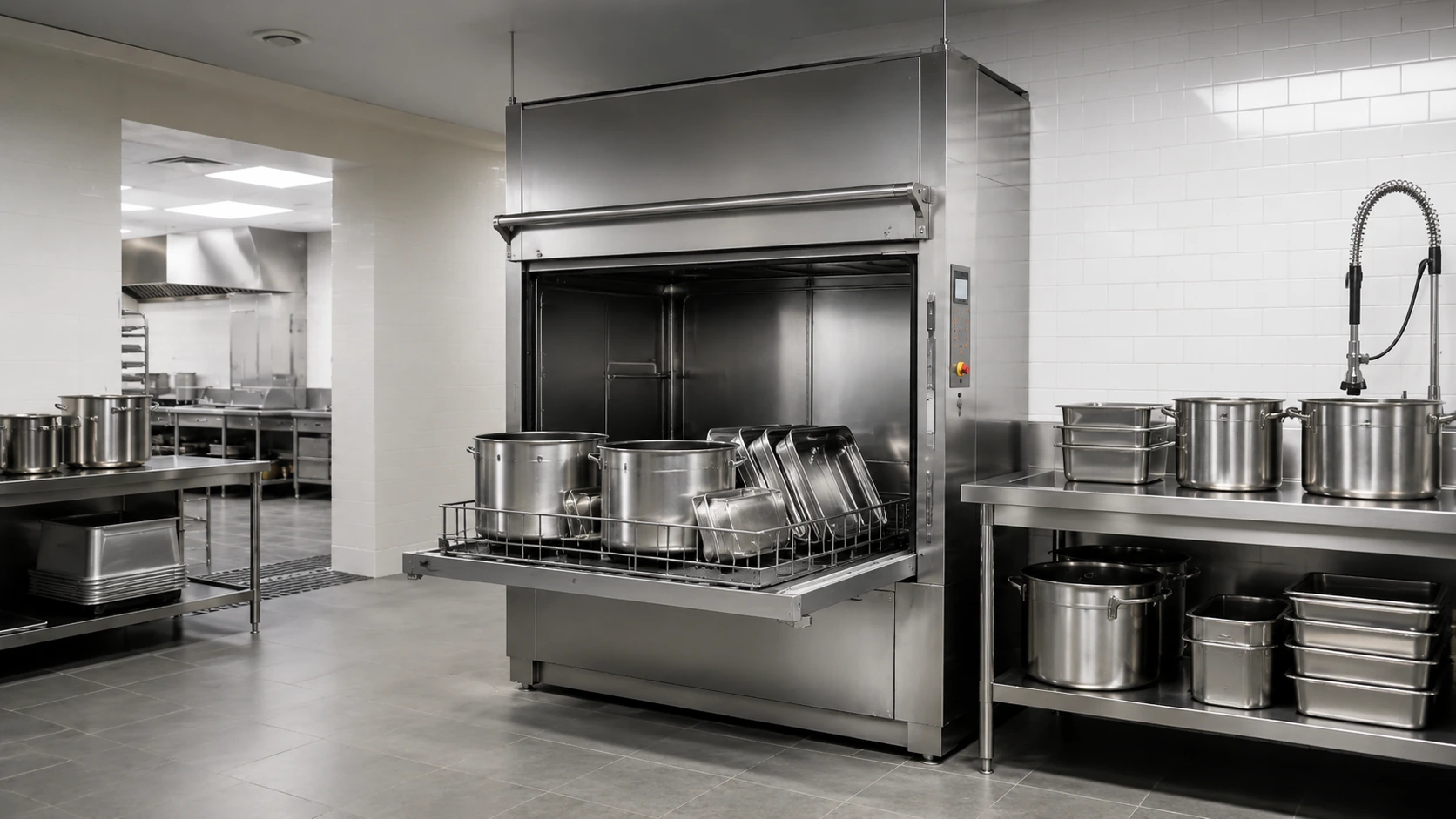
Large-Chamber Utensil Washers
Higher and deeper wash chambers for stock pots, mixer bowls, tall containers and larger tray formats. Confirm effective opening height and the space required for door movement and loading.
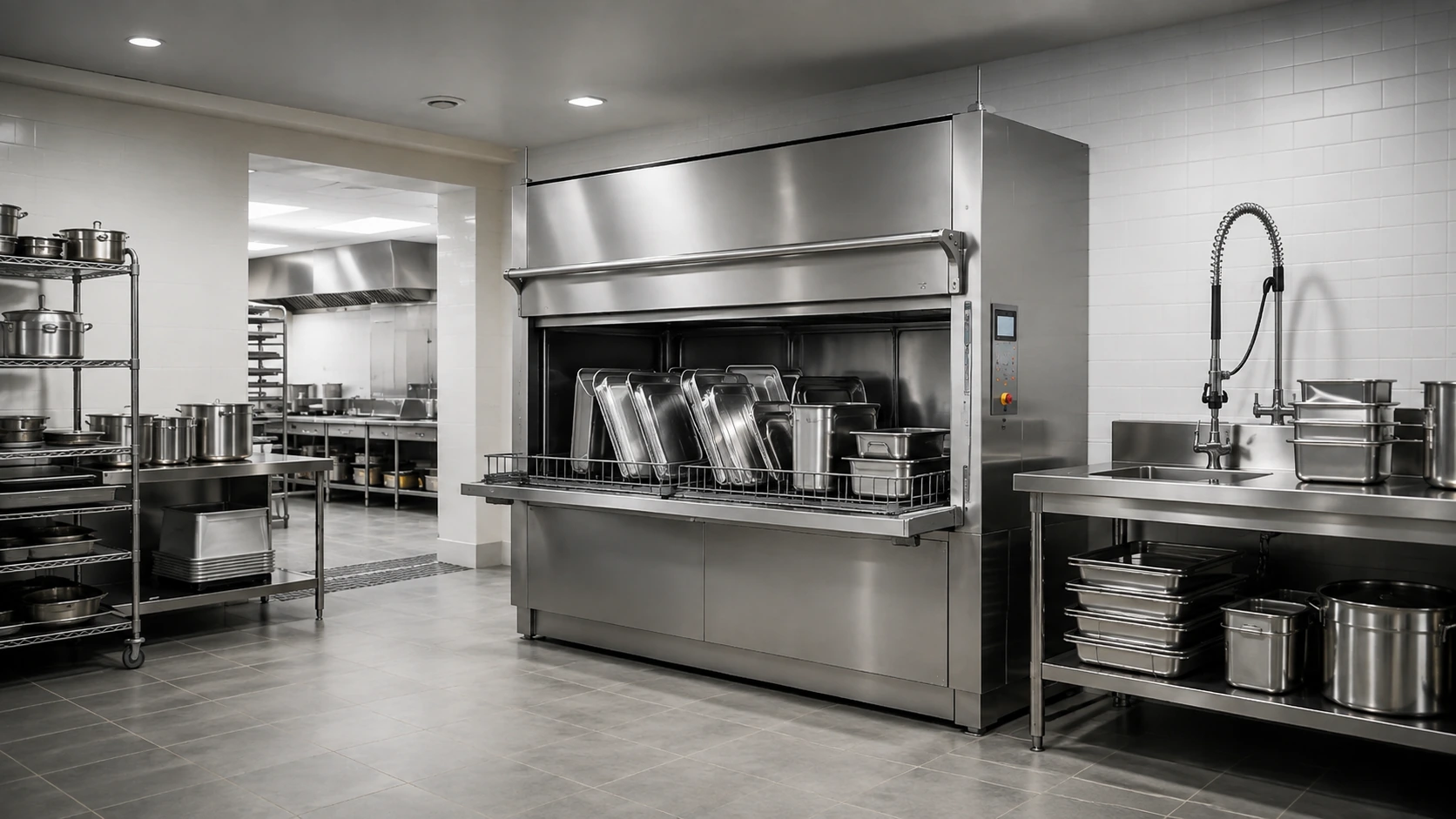
Double-Width Pot & Utensil Washers
Wide-chamber machines for multiple trays, containers or large cookware items in one load. Suitable where the operation requires higher batch capacity and wider loading access.
Pass-Through Direction
Review inlet and outlet handling when dirty and clean movement should remain separated in higher-volume operations.
Electric Heating
Confirm available voltage, phase, frequency and installed power before selecting tank and rinse-heating capacity.
Steam-Heated Direction
Consider available steam pressure, connection details, condensate handling and local utility conditions where applicable.
Pump-Drain Configuration
Confirm drain position and height when gravity drainage cannot be achieved at the proposed installation point.
Plan the machine around the actual cookware and production tools
Different items require different clearances, supports and loading angles. The largest or most awkward item often determines the minimum chamber and rack specification.
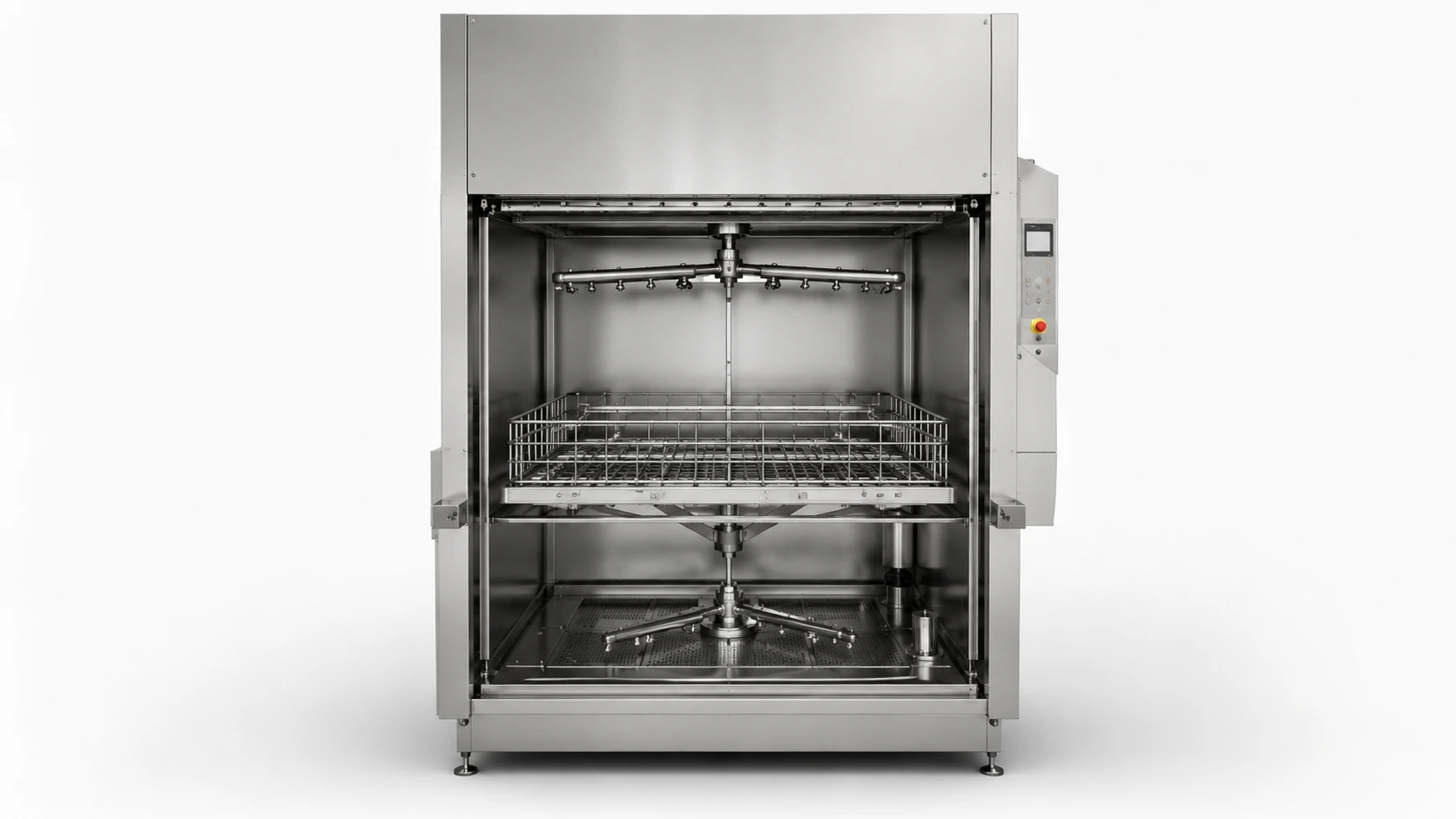
Review spray coverage, filtration and cleaning access
A heavy-duty pot washer should be evaluated for upper and lower spray action, nozzle arrangement, circulation pump, filter design, tank access, removable parts, rack support and the ability to maintain useful spray exposure around large items.
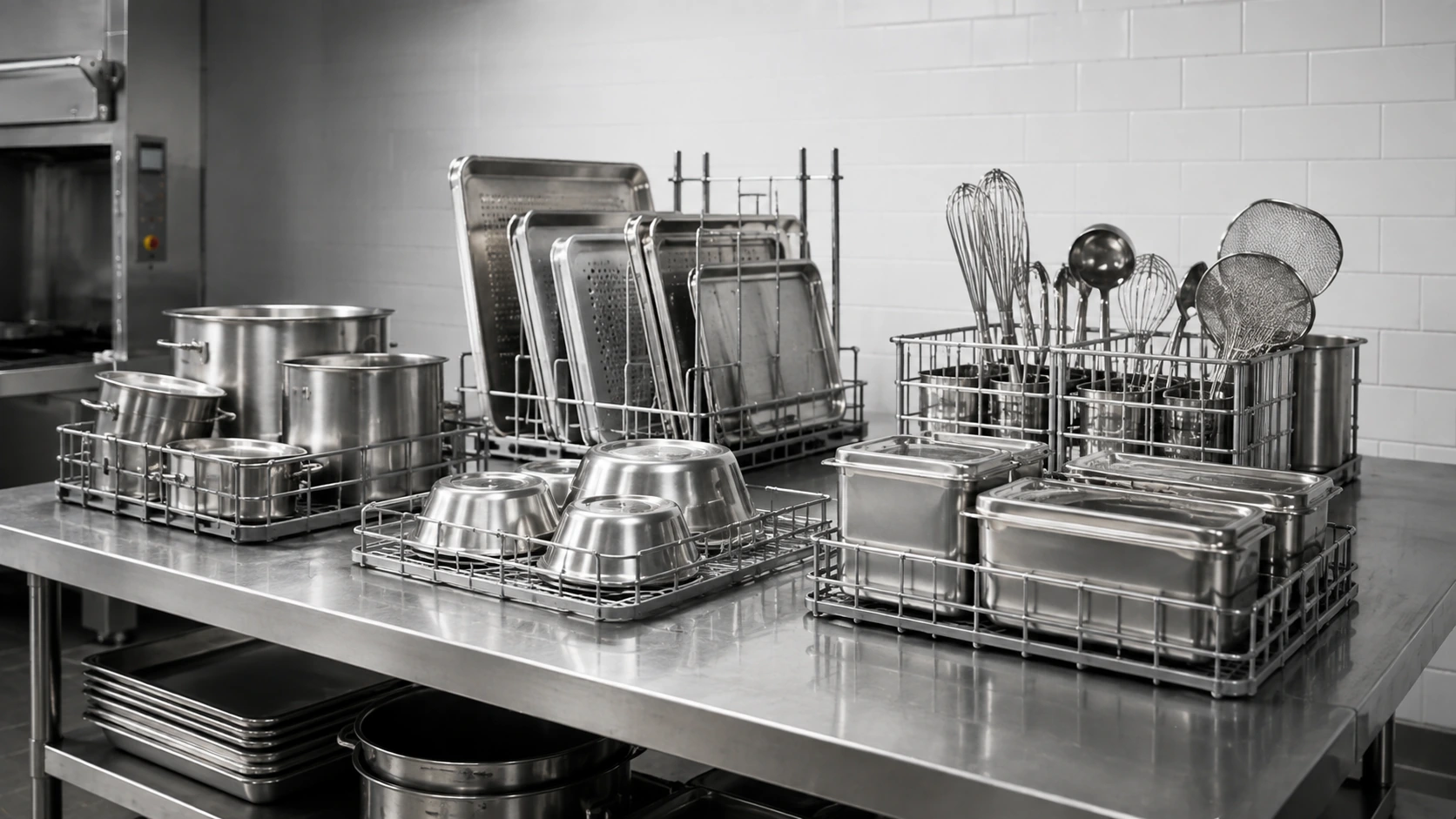
Match the loading system to the shape of each item
The rack package should keep cookware stable while allowing spray access. A general basket may not be sufficient for every project, especially when washing trays, tall pots, mixer bowls, long utensils or mixed production items.
Organize the full process from soil removal to clean-item return
Machine performance depends on loading, pre-treatment, item orientation, cycle selection and the workflow around dirty collection, unloading and storage. Where the wash area needs dedicated spray preparation or stainless steel handling, coordinate the machine with commercial pre-rinse units and dish tables & sorting equipment.
Commercial pot and utensil washers for production-intensive kitchens
The correct machine depends on item mix, soil load, batch pattern, available labor, loading height, room ventilation and utility capacity.
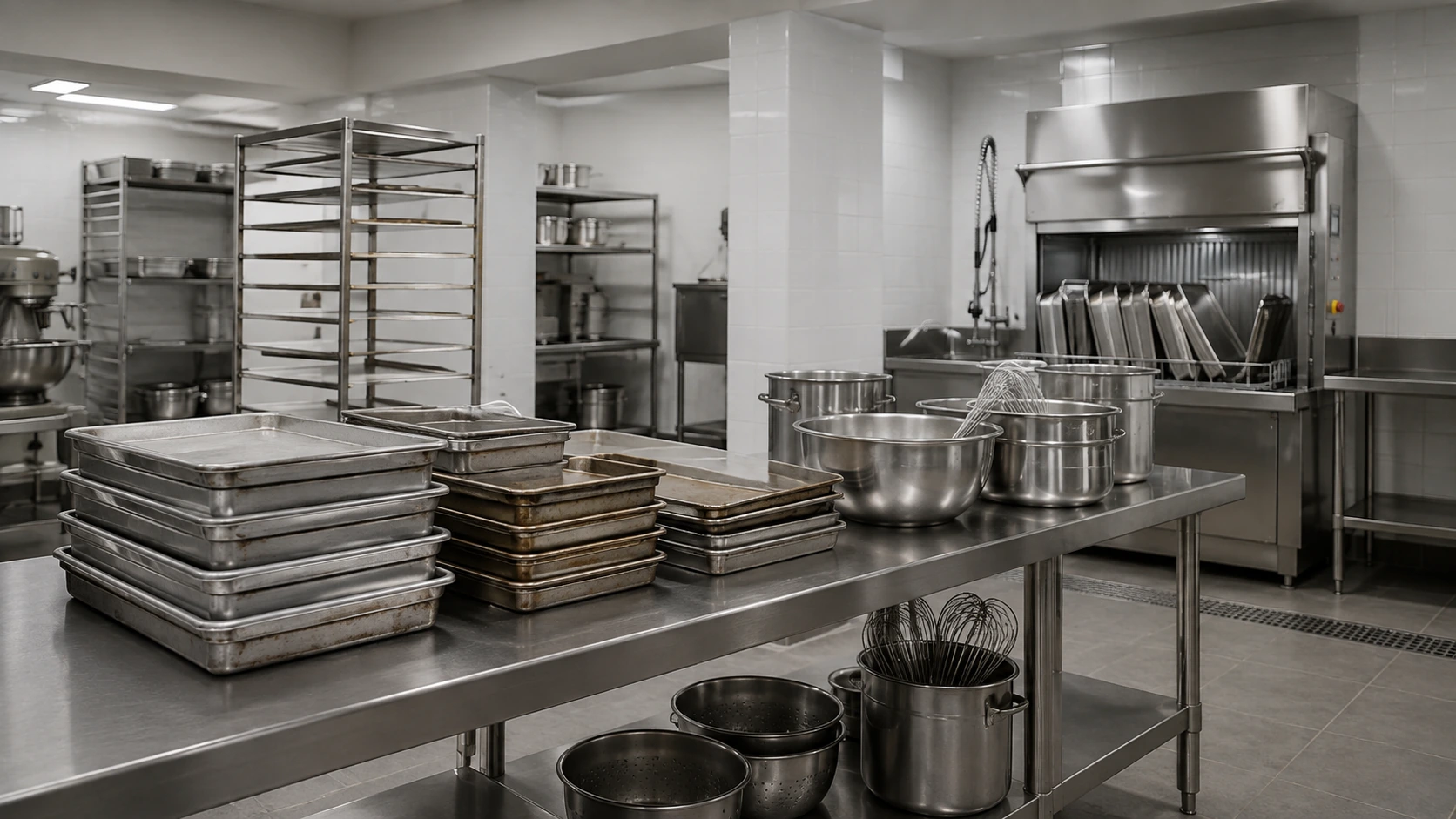
Size for the production peak
Estimate the busiest batch of trays, pots or containers together with practical loading, cycle and unloading time. The largest item and the peak return pattern should be reviewed together.
Commercial pot and utensil washer selection information
Send the following information together with item photos, dimensions, kitchen layout, utility schedule or an existing equipment list when available.
| Selection Item | Information to Confirm |
|---|---|
| Wash Items | Pots, pans, trays, GN containers, mixer bowls, bakery moulds, food totes, crates or utensils. |
| Maximum Item Size | Provide the largest width, length, diameter and height together with reference photos. |
| Peak Washing Volume | Estimate the highest batch quantity or items per hour during the busiest production period. |
| Chamber Clearance | Confirm the minimum effective door opening, internal height, width and depth. |
| Rack Requirement | Required rack dimensions, supports, tray holders, utensil baskets and loading trolley needs. |
| Soil Level | Describe grease, burnt-on residue, dough, starch, protein, sauce or food-processing contamination. |
| Cycle Requirement | Short, medium, long or intensive cycles according to item type and soil level. |
| Installation Space | Available width, depth, height, loading space, door movement and delivery access. |
| Electrical Supply | Voltage, phase, frequency, plug requirement and available installed power. |
| Heating Method | Electric, steam or another available heating direction and related utility conditions. |
| Water Conditions | Inlet temperature, pressure, connection size, hardness and treatment requirement. |
| Drainage | Drain position, height, pipe size and gravity or pumped drainage requirement. |
| Ventilation | Room ventilation, steam release, exhaust arrangement and heat-management conditions. |
| Destination & Packing | Quantity, destination country, shipping method, packaging and loading requirement. |
Coordinate machine size, racks, utilities and export delivery as one requirement
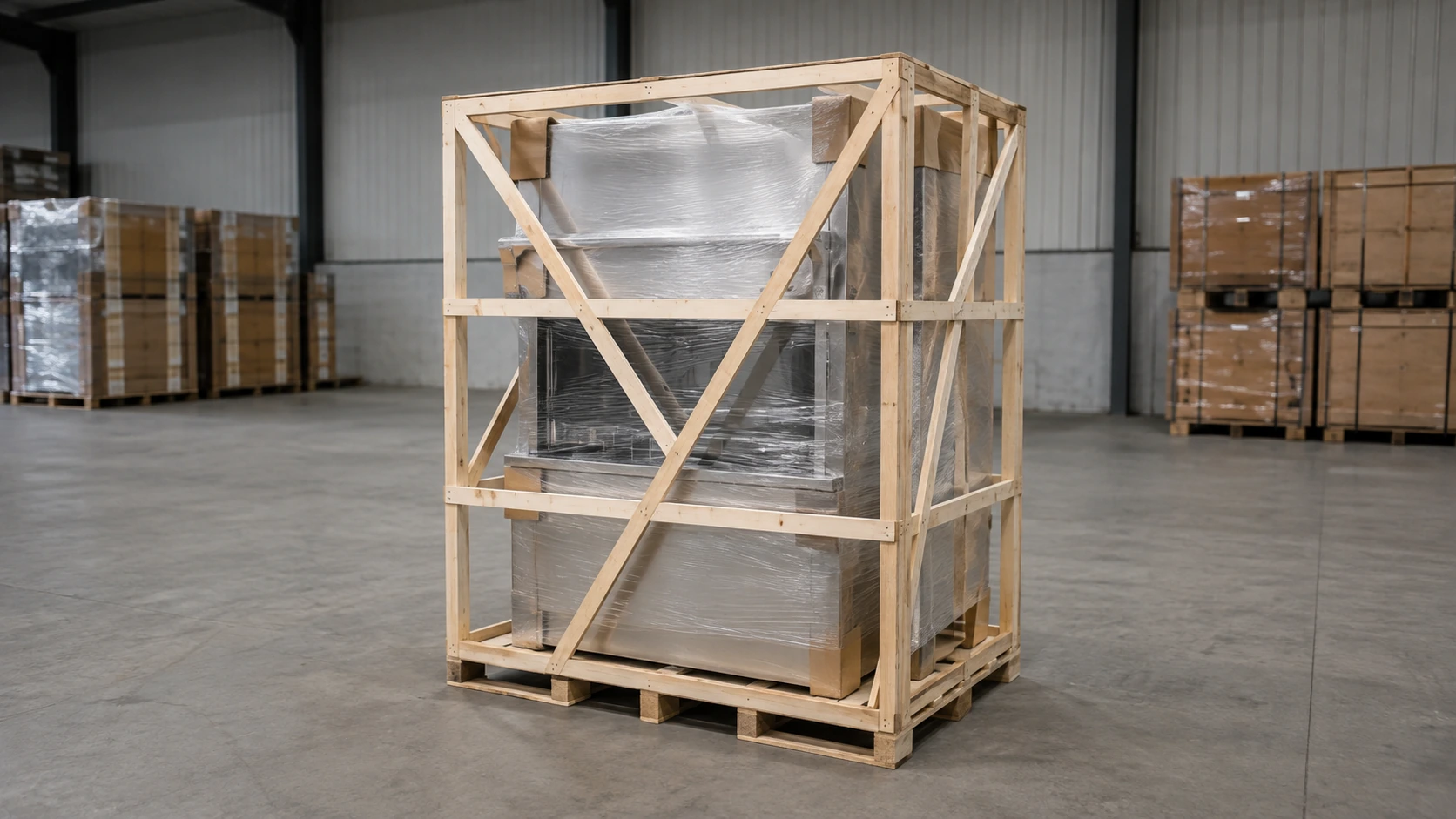
PRIME helps overseas buyers organize technical details before supplier comparison and coordinate chamber sizing, loading configuration, utilities, accessories, packaging and shipment arrangements.
Connect heavy-duty pot washing with the complete dishroom system
Review the parent category and published machine pages to coordinate compact washing, glasswashing, pass-through operations and high-capacity dishroom planning.
Commercial pot and utensil washer questions
Final selection depends on item dimensions, soil level, rack configuration, workflow, utility conditions and destination-market requirements.
What items can be washed in a commercial pot washer?
How do I select the correct chamber size?
Can baking trays and GN containers be washed together?
What is the difference between a pot washer and a commercial dishwasher?
Is pre-soaking still required for heavily burnt cookware?
Can PRIME supply custom racks and loading trolleys?
Send the largest item dimensions, soil type and peak washing requirement
Include item photos, maximum size, batch quantity, rack needs, voltage, heating method, water conditions, drainage, installation space, quantity and destination country. PRIME will review the requirement and organize the next sourcing step.