High-Volume Food Production Equipment

Central Kitchen & Canteen Equipment

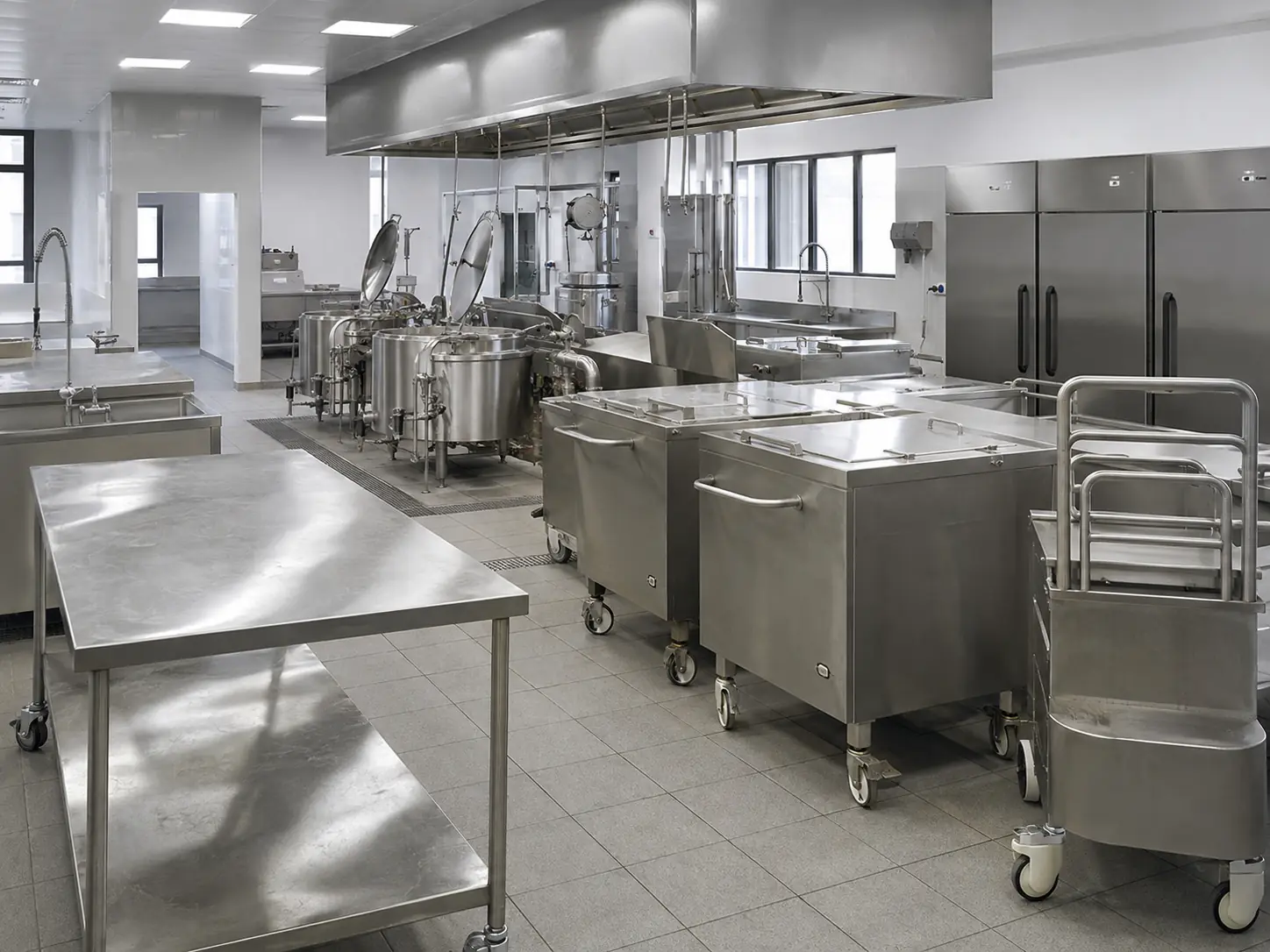
Central kitchen equipment for canteens and high-volume food production should be coordinated around ingredient receiving, batch preparation, cooking, food holding, portioning, dispatch and tray washing requirements.
Central KitchensStaff CanteensSchool DiningMeal ProductionFood Distribution
central kitchen and canteen equipment for batch food production
Process-Based ReviewOrganize equipment around receiving, preparation, cooking, service, return and washing stages.
Capacity CoordinationCompare batch size, hourly output, holding demand and peak meal-service requirements.
Mixed Equipment OrdersCoordinate cooking, refrigeration, stainless steel, serving and dishwashing categories.
Export Delivery SupportFollow production, packing information and delivery to the buyer’s appointed forwarder.

Central kitchens and canteens depend on continuous material flow rather than isolated machines. PRIME Commercial Equipment helps overseas buyers organize the required product categories from a buyer-provided BOQ, layout and capacity target, so equipment quotations can be reviewed against one coordinated production process.

Production Areas

Central kitchen equipment for connected batch-food operations

Select each equipment group around raw-material flow, production volume, hygiene zoning, service format and available utilities—not only by individual product name.
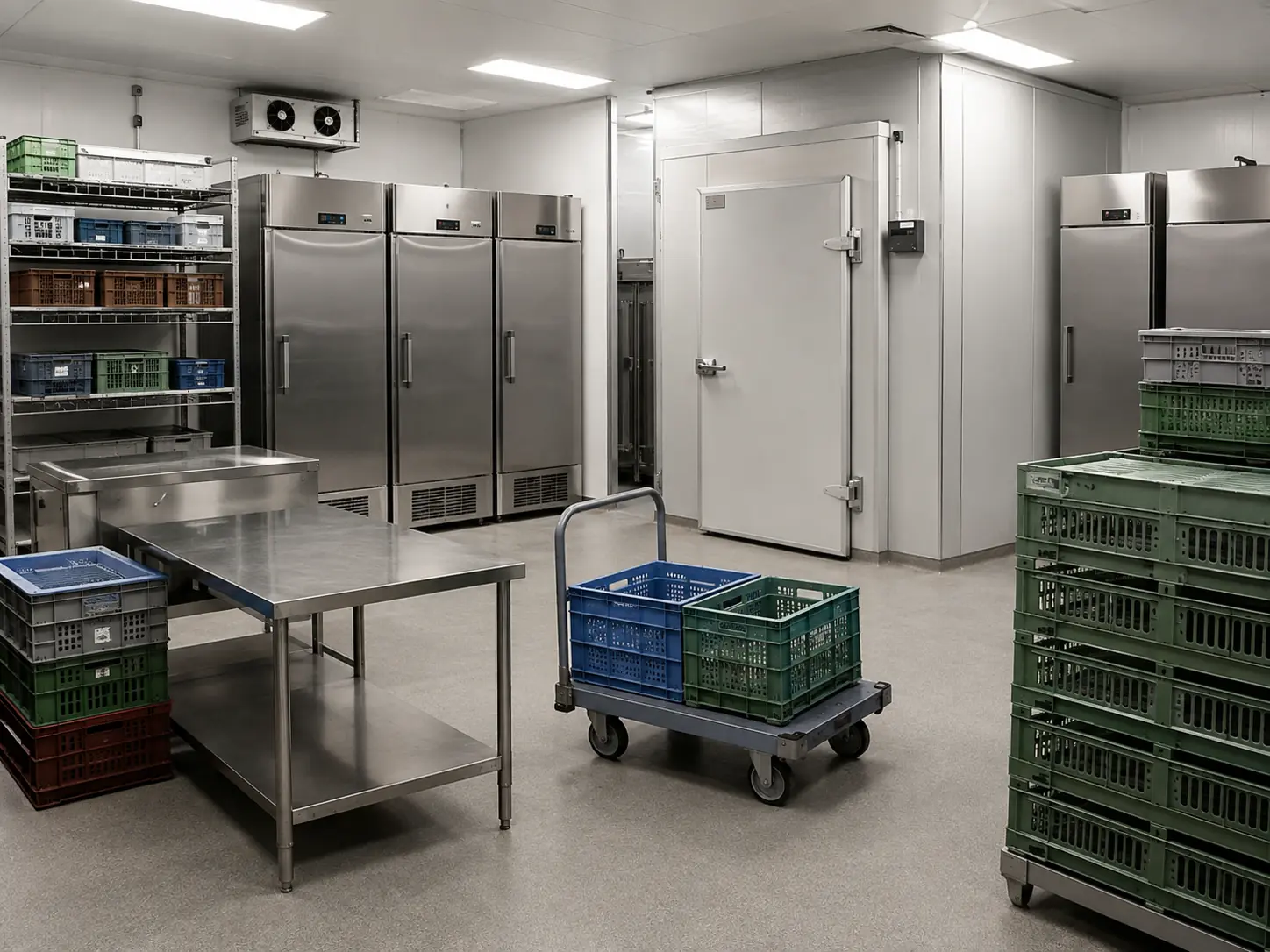
central kitchen cold storage and ingredient receiving area
Area 01 · Receiving & Storage

Ingredient Receiving & Cold Storage

Coordinate inspection tables, racks, transport carts, reach-in refrigeration and cold storage around delivery volume, food categories and stock rotation.
Receiving TablesCold RoomsRefrigerationRacking
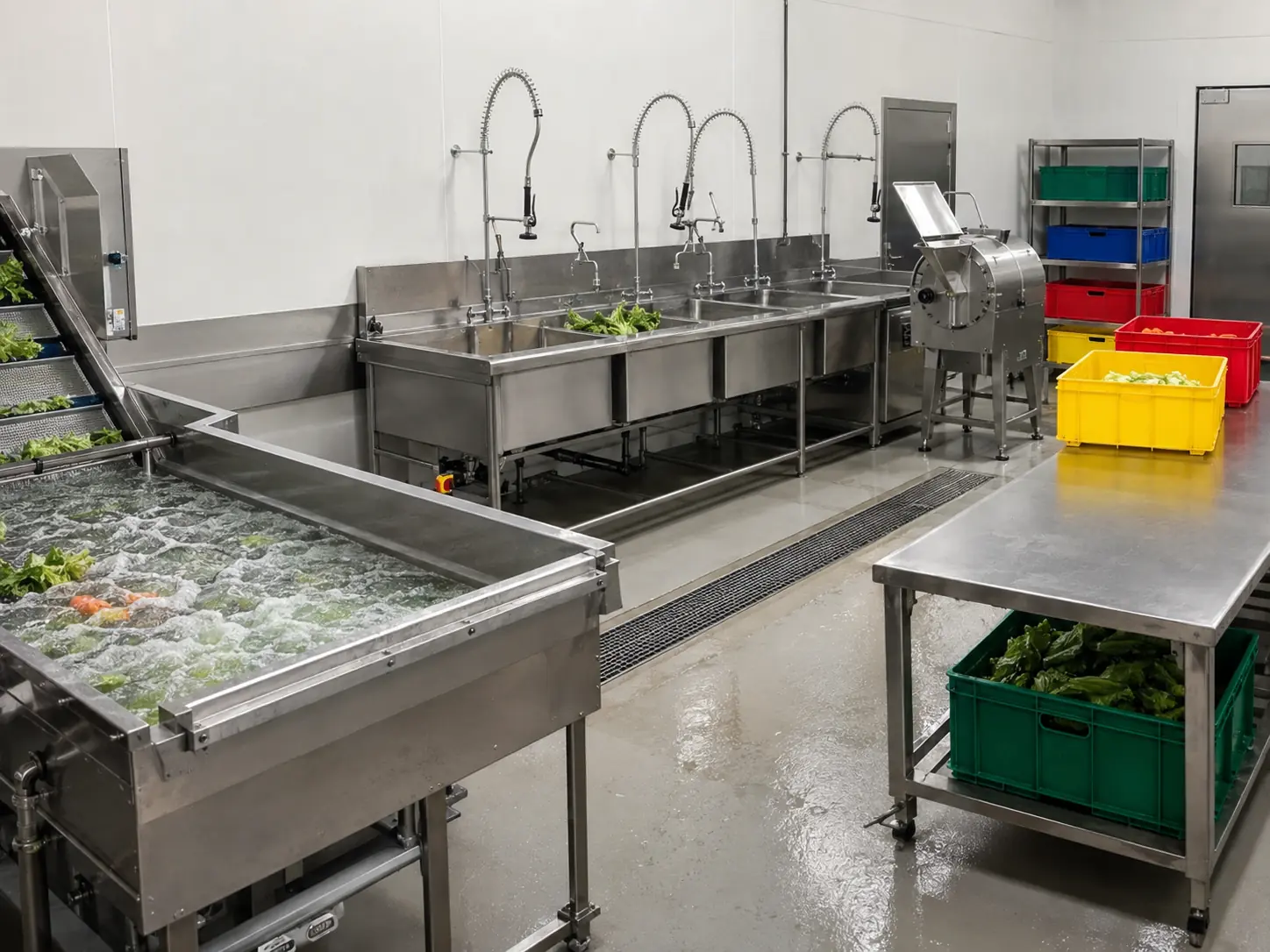
central kitchen vegetable washing and preparation equipment
Area 02 · Wet Preparation

Vegetable Washing & Preparation

Plan bulk washing, draining, cutting and transfer equipment with suitable worktables, containers, floor drainage and separation from clean production areas.
Washing MachinesSinksCutting MachinesWorktables
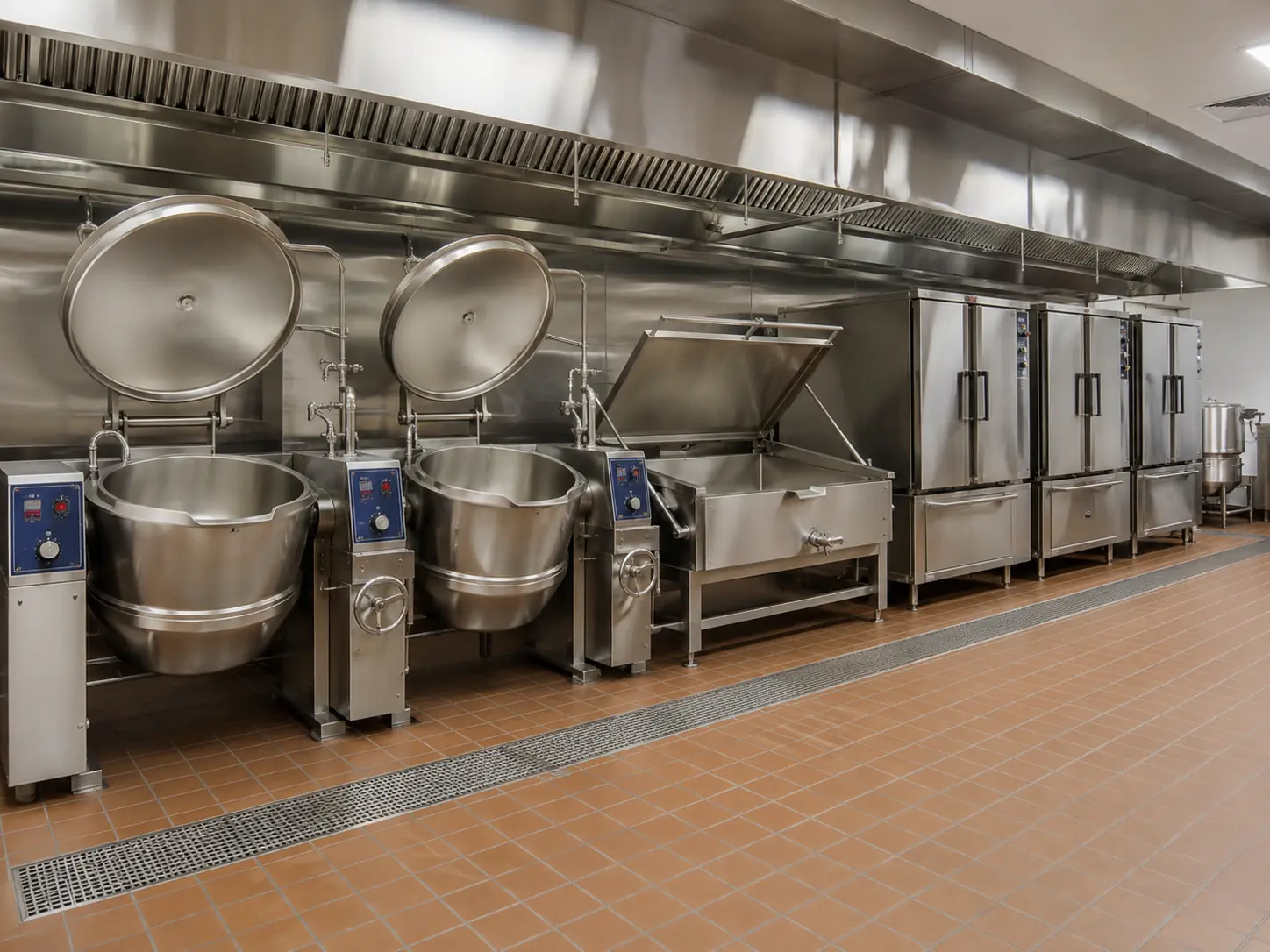
central kitchen batch cooking and steam equipment
Area 03 · Batch Production

Batch Cooking & Steam Equipment

Match steam cabinets, tilting kettles and boiling equipment to recipe batches, hourly output, utility supply, extraction and safe loading or discharge.
Steam CabinetsTilting KettlesBoiling EquipmentHeavy Cooking
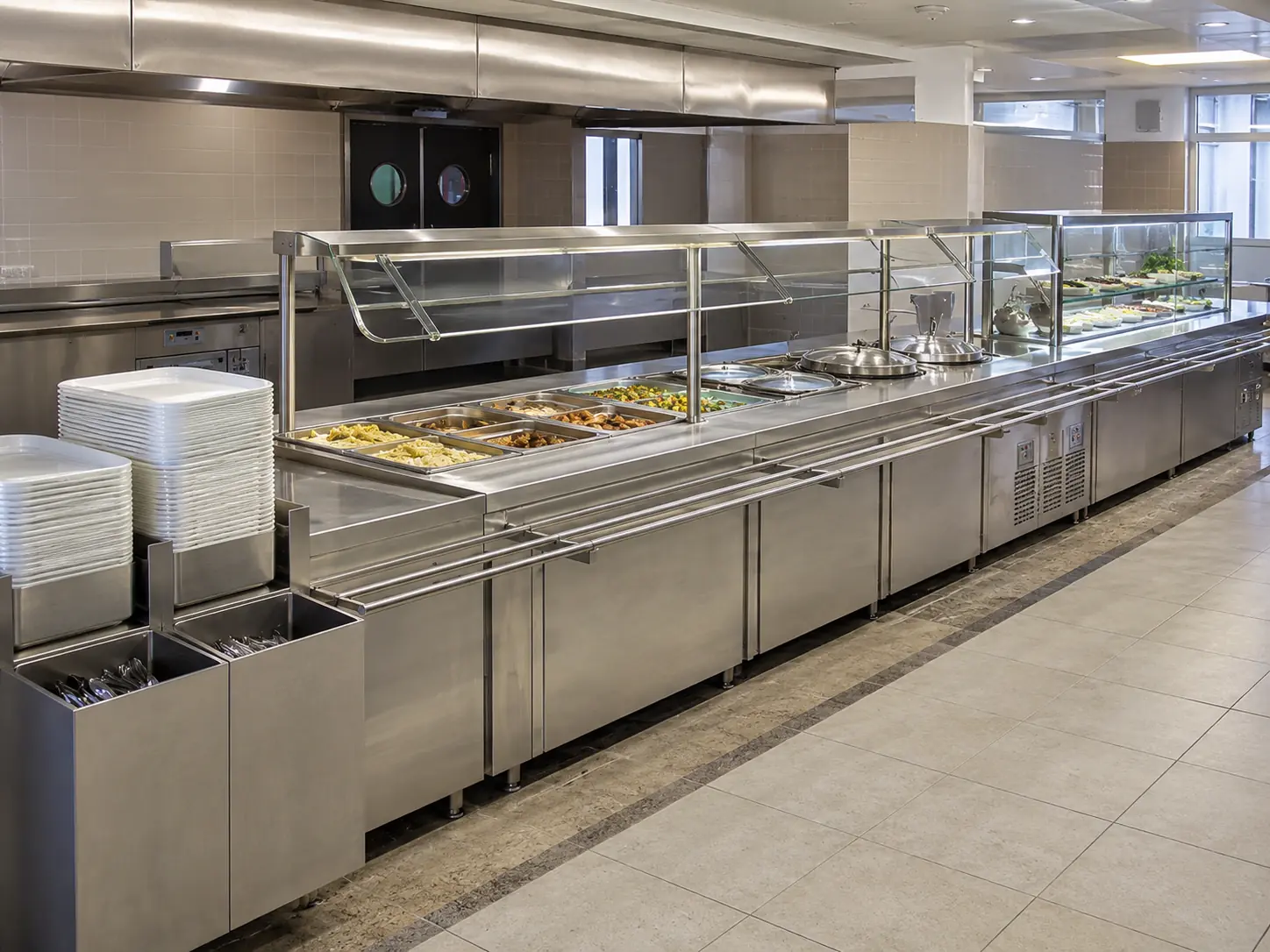
canteen food holding and serving line equipment
Area 04 · Meal Service

Food Holding & Serving Lines

Configure heated wells, soup stations, tray slides and cold service modules around menu count, queue direction, replenishment and peak serving time.
Hot HoldingServing CountersTray SlidesSoup Stations
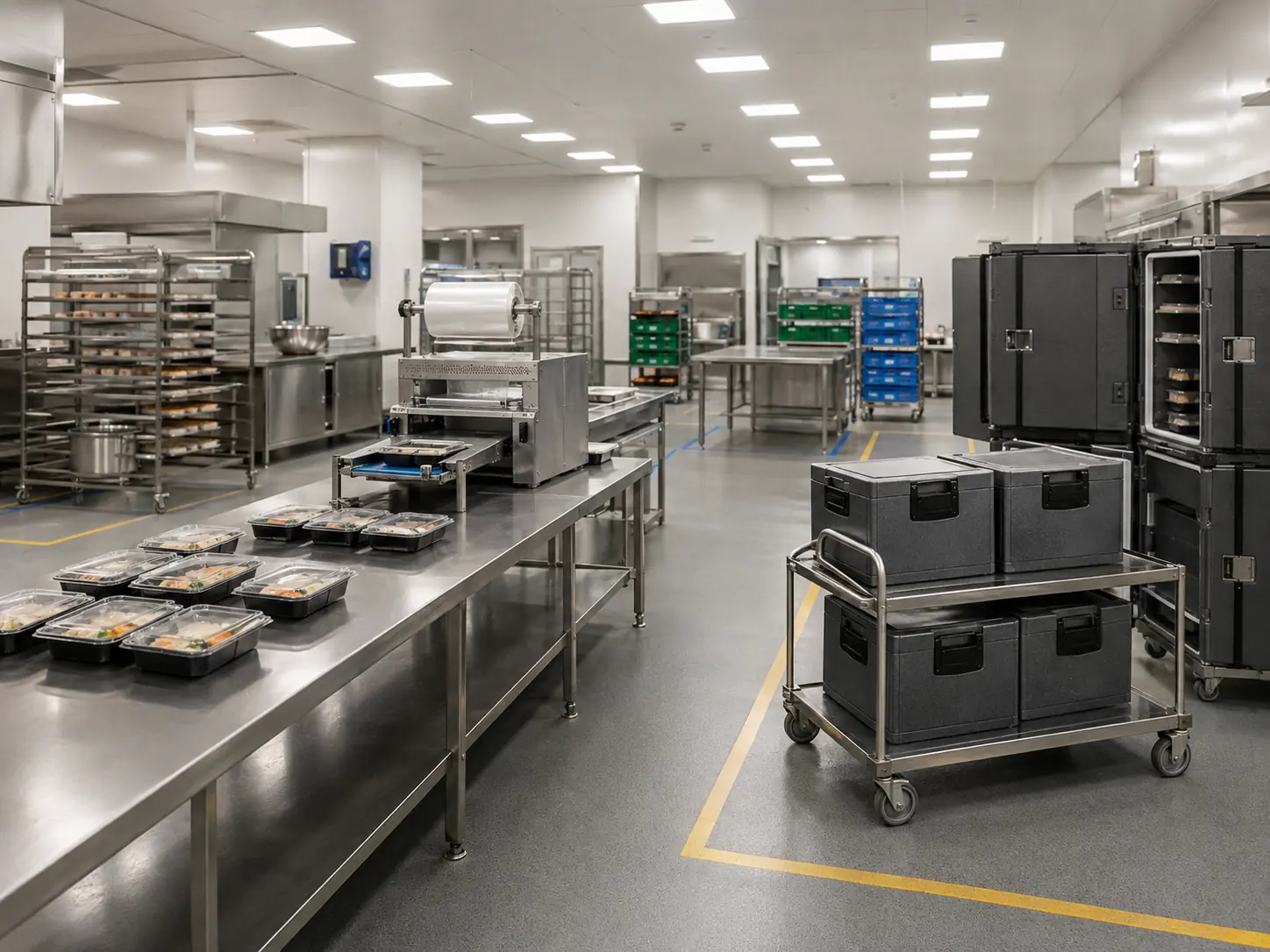
central kitchen portioning packing and dispatch area
Area 05 · Portioning & Dispatch

Portioning, Packing & Dispatch

Organize portioning tables, sealing equipment, insulated containers, trolleys and dispatch zones for controlled packing and outgoing meal distribution.
Portioning TablesSealingInsulated BoxesDispatch Carts
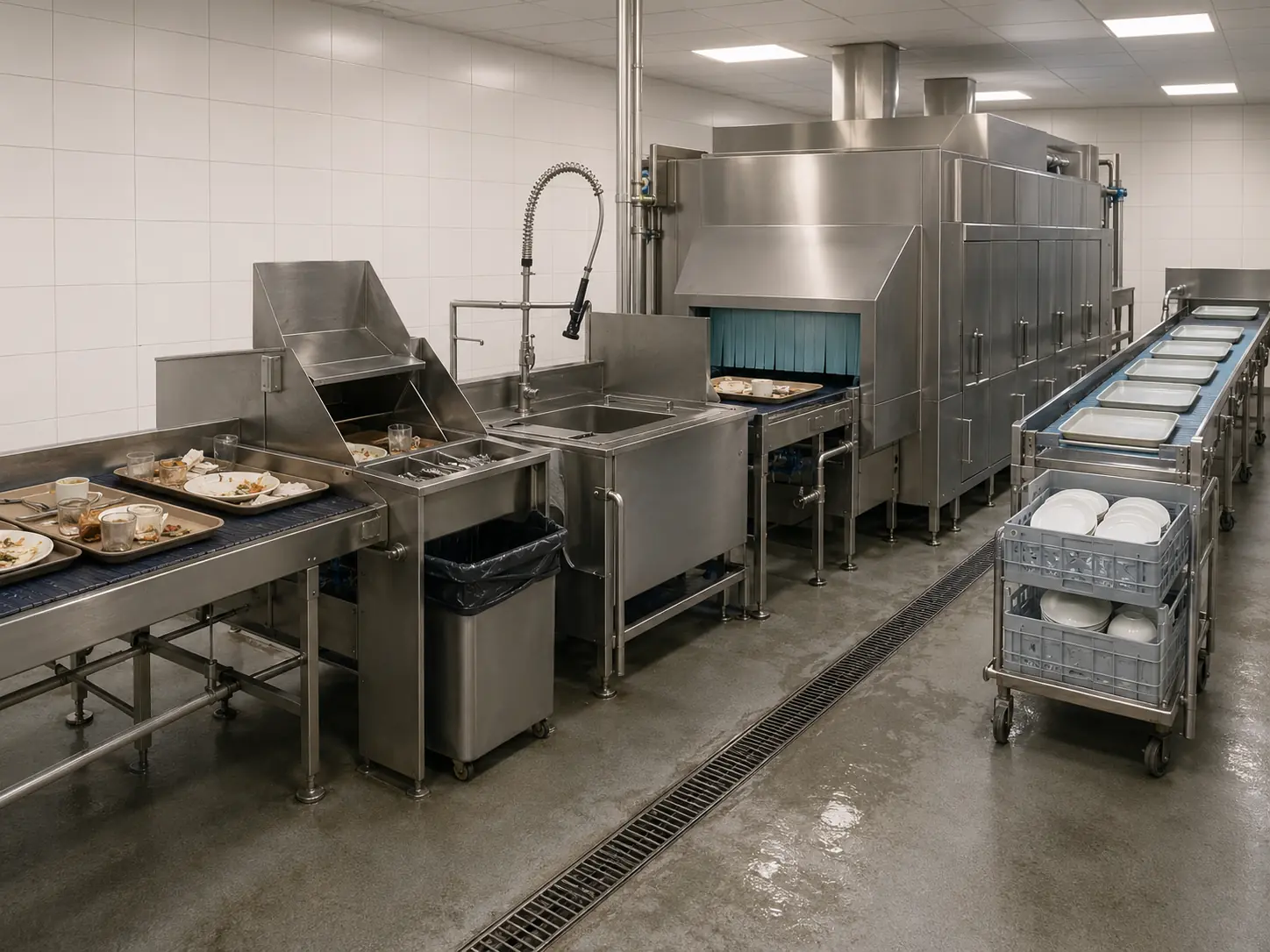
canteen conveyor dishwashing and tray return system
Area 06 · Tray Return & Washing

Conveyor Dishwashing & Tray Return

Connect dirty-tray return, waste sorting, pre-rinse, conveyor washing, clean exit and rack handling in one directional high-capacity workflow.

Tray ReturnWaste SortingPre-RinseConveyor Washers

Connected Production Flow

Plan equipment around food movement from receiving to clean return

The exact layout varies by project, but the equipment list should support clear hygiene zoning, efficient batch movement and separation between raw, cooked, dispatch and dirty-return routes.

STEP 01Receive & InspectUnload, inspect, weigh and direct ingredients into the correct dry, chilled or frozen storage area.
STEP 02Wash & PrepareWash, drain, cut and stage ingredients with suitable drainage, containers and work surfaces.
STEP 03Batch CookCoordinate cooking capacity, recipe batches, steam or power supply, extraction and operator access.
STEP 04Hold SafelyMove cooked food into suitable hot or cold holding before service, portioning or distribution.
STEP 05Serve or PortionFeed the canteen serving line or portion meals into the required containers and pack formats.
STEP 06Pack & DispatchOrganize sealed meals, insulated boxes, dispatch carts and outgoing distribution schedules.
STEP 07Return & SortKeep dirty trays, waste separation and pre-rinse away from preparation and clean-food routes.
STEP 08Wash & StoreComplete machine washing, clean-item exit, drying, rack handling and protected storage.

Final central kitchen equipment selection should follow the buyer-approved layout, meals per service, recipe and batch requirements, local regulations, available utilities, confirmed supplier technical documents and applicable Codex food hygiene guidance.
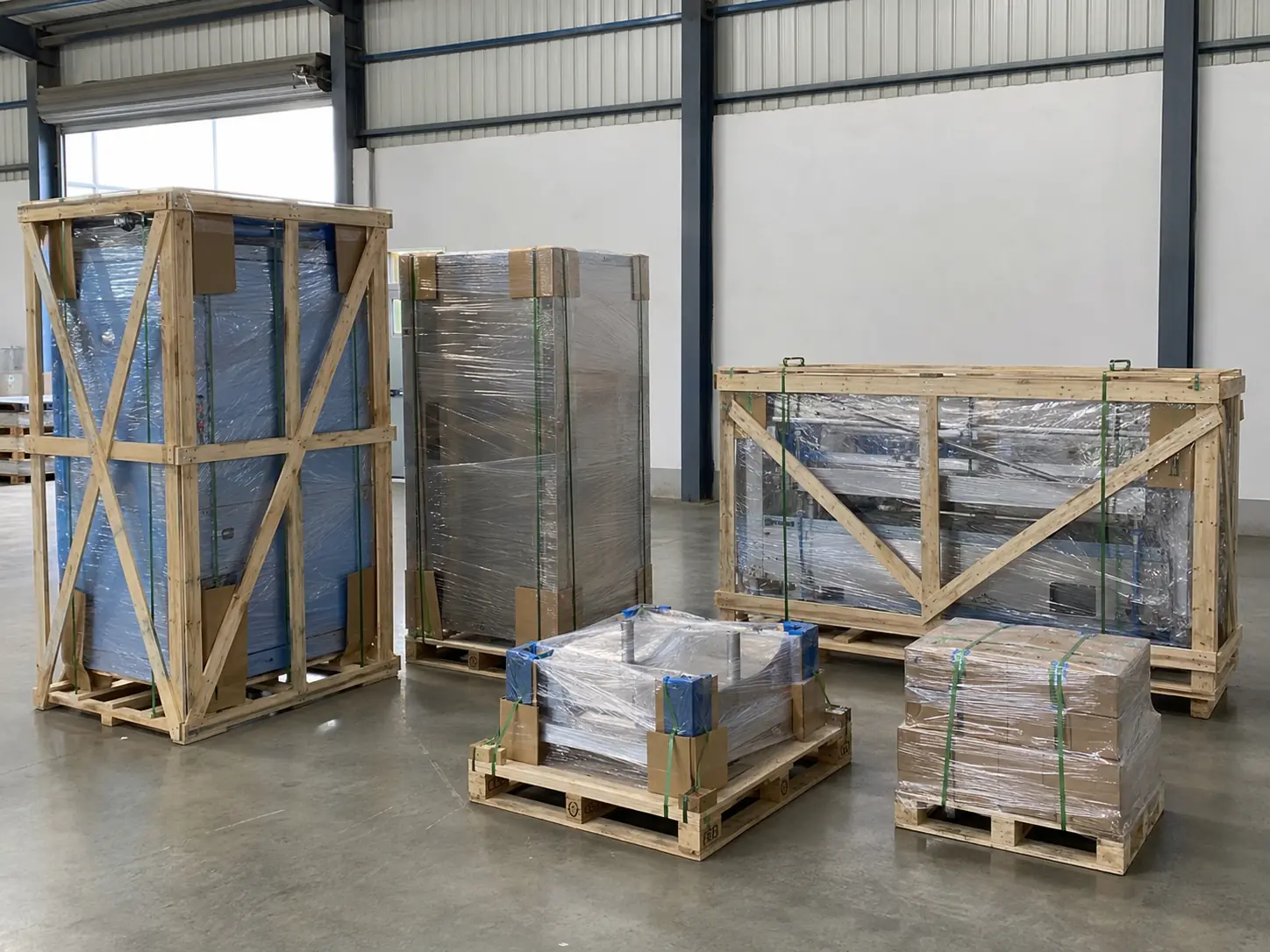
central kitchen equipment mixed order and export preparation

Mixed Equipment Procurement

Coordinate central kitchen equipment within one production project

A central kitchen order may combine heavy cooking machines, refrigerated equipment, serving counters, stainless steel fabrication and conveyor dishwashing systems. PRIME helps organize the submitted list, clarify specifications and coordinate supplier, packing and delivery information before shipment.

BOQ OrganizationGroup items by process area, product category, quantity and technical priority.
Specification AlignmentCompare capacities, dimensions, materials, utilities, options and quotation scope.
Packing CoordinationReview surface protection, pallets, wooden frames and loading considerations.
Delivery Follow-UpCoordinate production status and delivery to the buyer’s appointed forwarder.

Project Information

Information required for central kitchen equipment selection

A BOQ, production flow, layout drawing and reference specifications are useful starting points. The details below make supplier comparison and quotation review more accurate.

01Operation TypeDefine central kitchen, factory canteen, school dining, hospital meals or contract catering use.
02Meals & Peak OutputProvide meals per day, meals per service, batch sizes, menus and peak production periods.
03Layout & Process FlowShare room dimensions, zoning, equipment positions, aisles, doors and movement direction.
04Equipment ListProvide product names, quantities, required capacities and preferred configurations.
05Electrical, Gas & SteamConfirm voltage, phase, frequency, available power, gas type and steam conditions.
06Water & DrainageConfirm inlet water, pressure, hot water, treatment needs and drainage positions.
07Material & HygieneClarify stainless steel requirements, cleanable finishes and relevant local hygiene rules.
08Destination & ScheduleProvide destination country, port, timeline, packing expectations and required documents.

PRIME Coordination Process

From submitted requirement to coordinated equipment order

PRIME works as a commercial equipment sourcing and procurement coordination partner. Layout design, final engineering and technical approval remain with the buyer and the confirmed equipment suppliers.

01

Review the Requirement

Organize the submitted BOQ, operation type, production flow, capacities, quantities and schedule.

02

Match Equipment

Identify suitable equipment categories and supplier directions for each production area.

03

Confirm Specifications

Review dimensions, output, materials, utilities, configuration, packing and quotation scope.

04

Coordinate the Order

Support supplier communication, production follow-up, packing confirmation and delivery arrangements.

Frequently Asked Questions

Central kitchen and canteen equipment questions

Final selection depends on the approved process, production capacity, utilities, destination requirements and confirmed supplier specifications.

What information is needed for a central kitchen equipment quotation?
Send the operation type, BOQ or equipment list, quantities, meals per day and per service, batch requirements, layout or process flow, voltage, frequency, gas or steam conditions, water and drainage information, destination and expected schedule.
Can PRIME coordinate equipment for a complete batch-food process?
PRIME can organize sourcing requirements across receiving, refrigeration, washing, preparation, batch cooking, holding, serving, portioning, dispatch and dishwashing categories based on the submitted project information and available supplier resources.
How should batch cooking capacity be selected?
Selection should consider menu and recipe batches, meals per service, cooking cycles, target output, available labour, vessel loading and discharge, utilities, extraction and the approved production schedule. Final capacity must be confirmed against supplier technical data.
What is important when planning a canteen serving line?
Consider menu count, hot and cold holding needs, peak diners, queue direction, tray format, replenishment access, counter length, utility connections and the relationship between the service line and tray-return route.
How should a high-capacity tray return and washing area be organized?
Plan a directional route from dirty-tray return through waste sorting, pre-rinse and machine washing to the clean exit, drying, rack handling and protected storage. Dirty and clean flows should remain separated according to the approved layout and local hygiene requirements.
Can mixed central kitchen equipment be prepared for export?
Packing should reflect equipment weight, stainless steel surface protection, fragile components, pallet or wooden-frame needs and container loading sequence. PRIME can coordinate packing information and delivery to the buyer’s appointed forwarder within the confirmed order scope.

Start Your Equipment Sourcing

Planning a central kitchen equipment order?

Send PRIME your operation type, BOQ, quantities, meal capacity, process flow, layout, utilities, destination and schedule. We will help organize the requirement and coordinate the next sourcing step.

BOQ or Equipment ListMeals per ServiceProcess FlowLayout DrawingUtilitiesDestination & Schedule