Commercial Undercounter Dishwashers
PRIME coordinates commercial undercounter dishwashers for cafés, bars, restaurants, hotels and compact foodservice kitchens. Compare wash capacity, rack size, sanitizing direction, electrical supply, water conditions and installation requirements before quotation.
Commercial undercounter dishwashers for compact dishwashing workflows
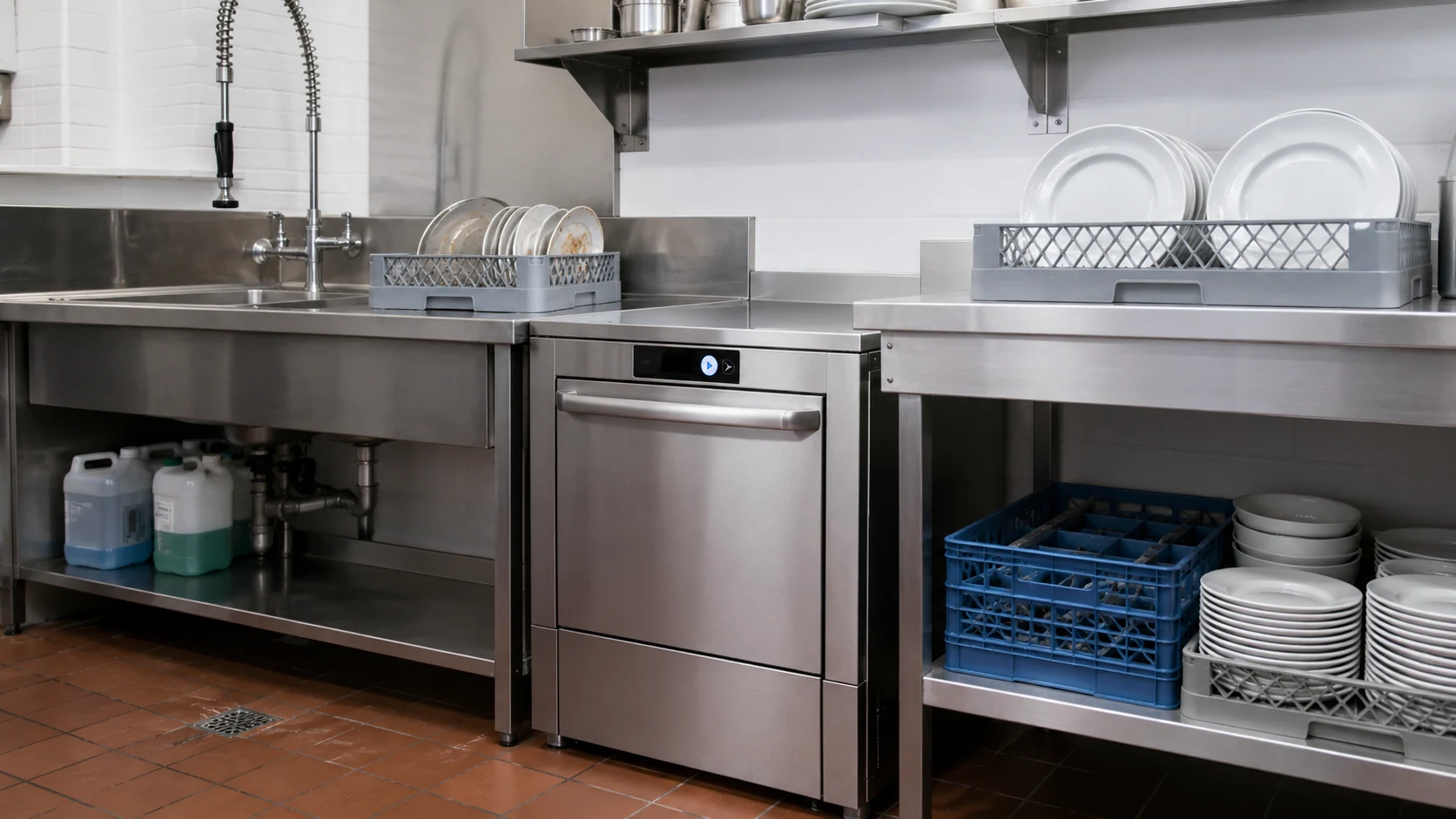
Commercial undercounter dishwashers provide a compact washing direction for kitchens that need faster and more repeatable cleaning than manual sink washing but do not require a hood-type or conveyor system.
A complete installation should be planned around dirty-dish collection, waste removal, pre-rinsing, rack loading, machine washing, final rinsing, draining and clean-dish storage. The machine should therefore be selected according to peak rack volume, dish type, largest item size, rack dimensions, water quality, drainage and electrical conditions. For a complete compact dishroom, coordinate the dishwasher with commercial pre-rinse units and dish tables & sorting equipment before the surrounding work area is finalized.
Buyers comparing energy and water performance can also review the ENERGY STAR commercial dishwasher guidance together with applicable local codes and operating requirements.
- Standard 500 × 500 mm and alternative rack directions
- High-temperature or chemical-sanitizing configurations
- Detergent, rinse-aid and optional sanitizer dosing
- Pre-rinse sink, drain table and clean-dish workflow planning
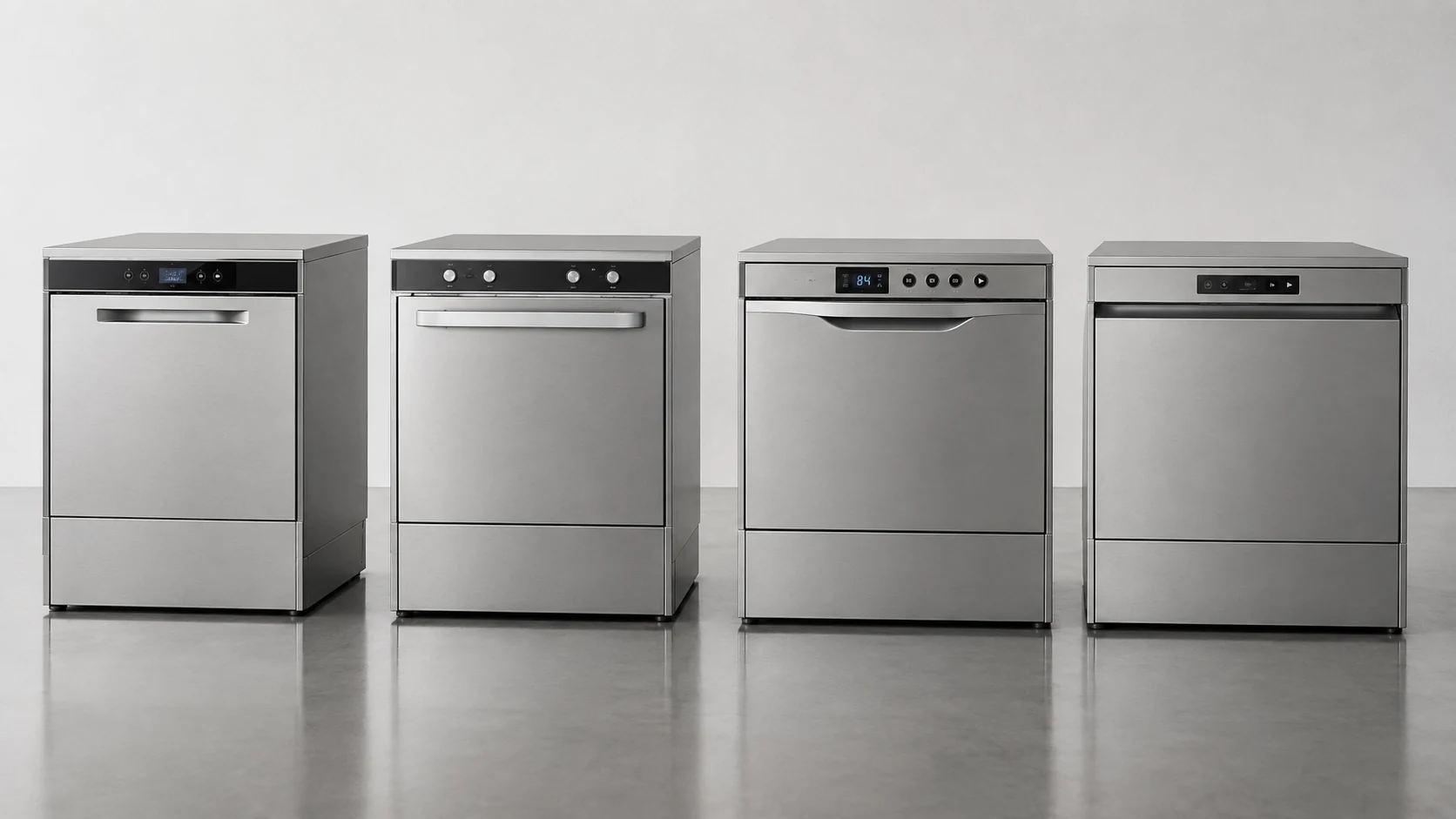
Commercial undercounter dishwashers for different operating requirements
Compare standard front-loading, open-chamber, high-temperature and utility-specific configurations before confirming a machine.
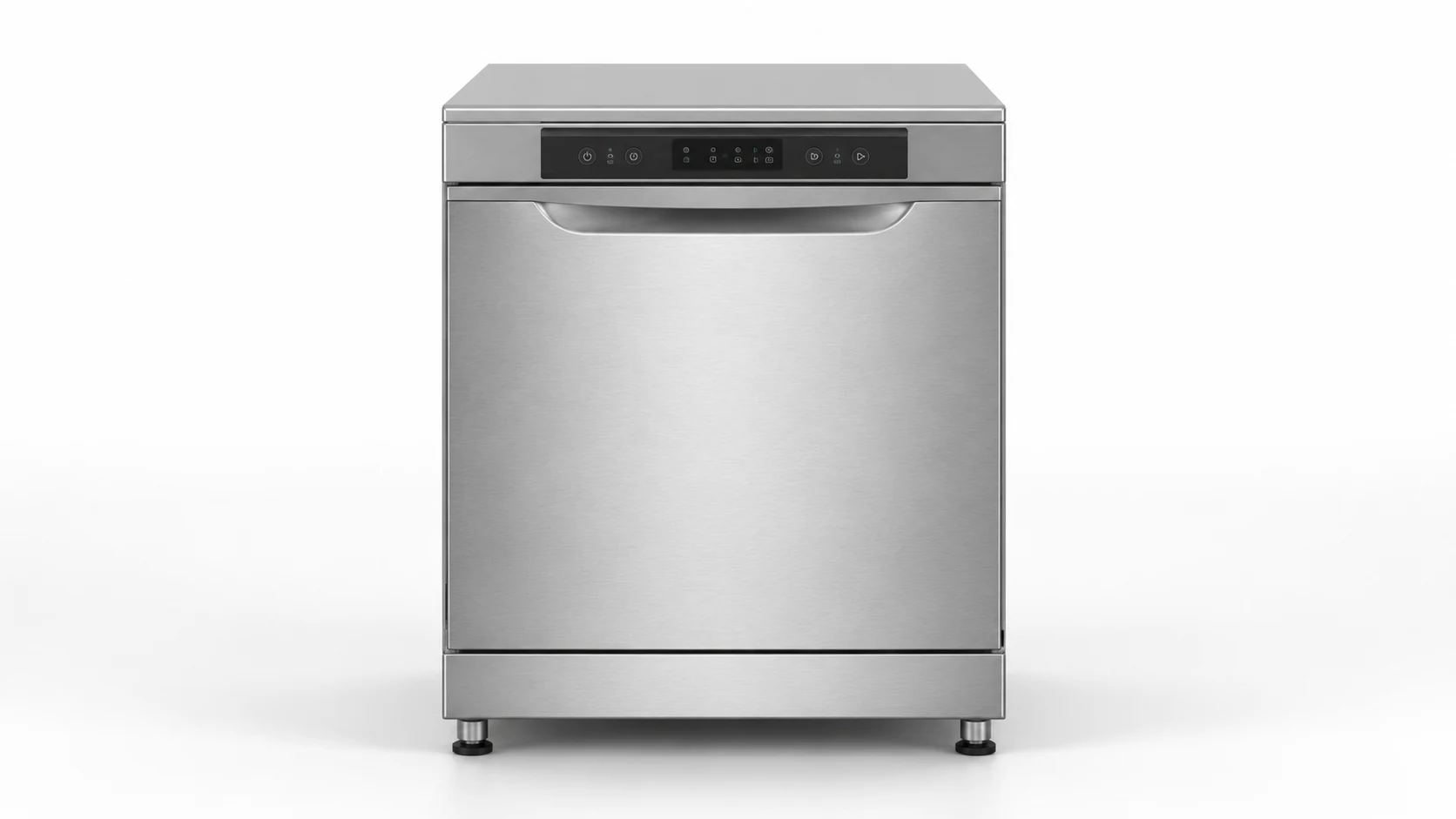
Standard Undercounter Dishwashers
Stainless steel front-loading machines for plates, bowls, cups, cutlery and standard dish racks in cafés, smaller restaurants and satellite kitchens.
Confirm the cycle time, rack dimensions, pump structure, wash tank, door clearance and whether a drain pump is required.
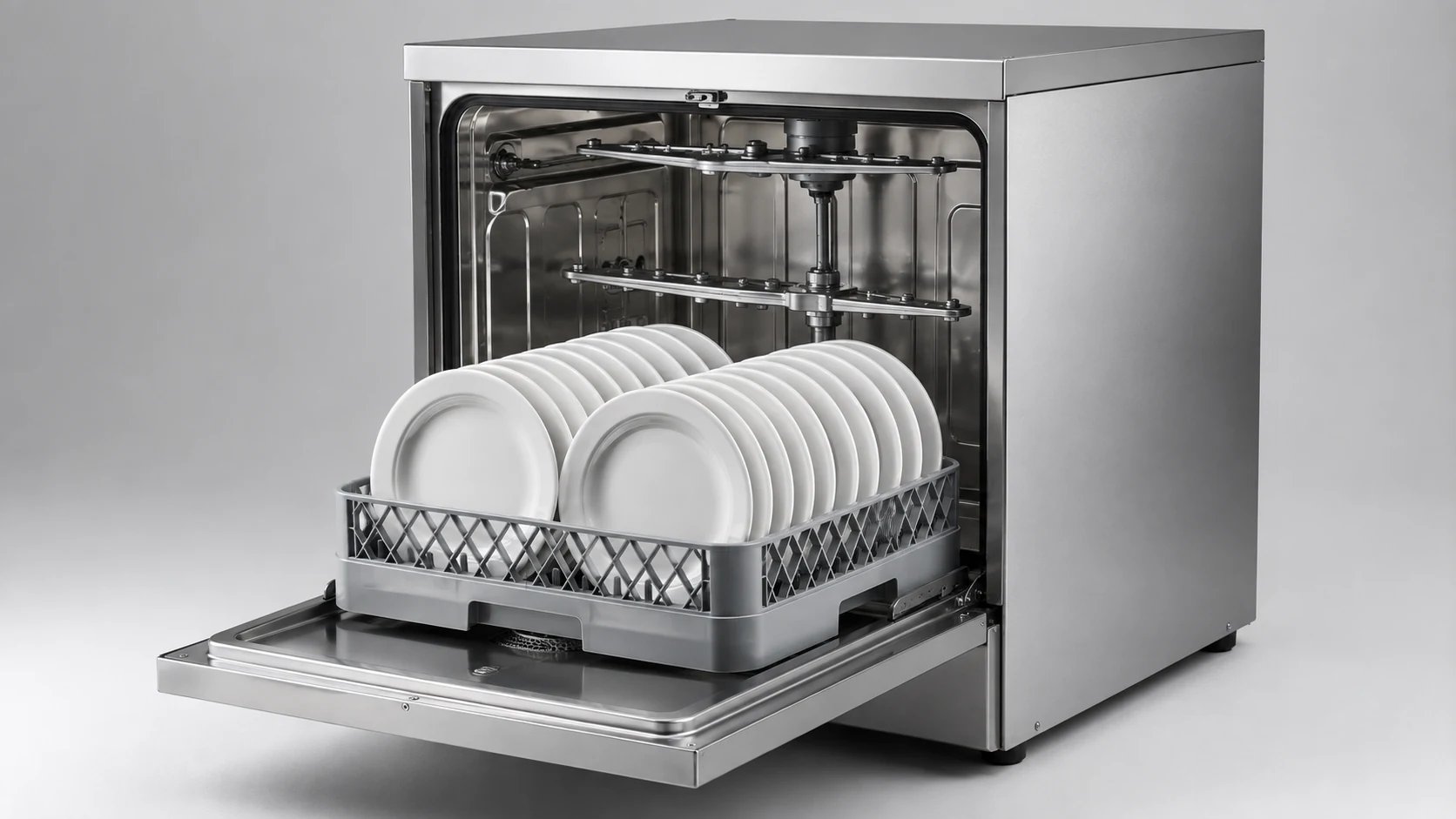
Interior Structure and Rack Capacity
The usable wash chamber must accommodate the largest plates, bowls, trays or glass racks used by the operator. Internal clearance and spray-arm movement should be checked with the actual rack.
Review rack quantity, rail support, filter access, wash arms, rinse arms and cleaning access before approving the layout.
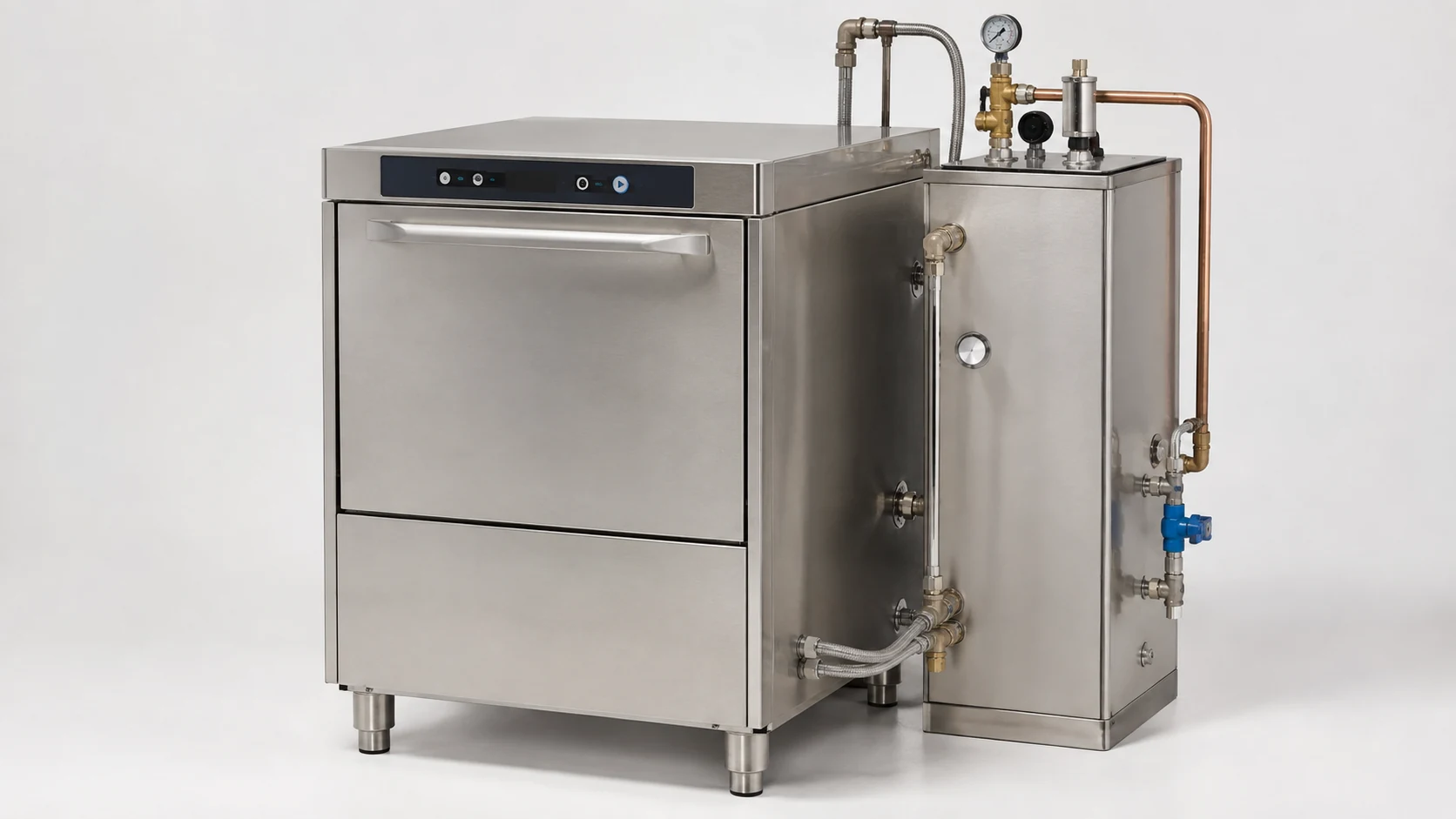
High-Temperature Undercounter Dishwashers
High-temperature configurations use heated wash and final-rinse systems where the project requires this sanitizing direction. Incoming water temperature and available electrical power can affect the required booster arrangement.
Confirm heating power, tank capacity, final-rinse method, recovery speed, ventilation and electrical installation before quotation.
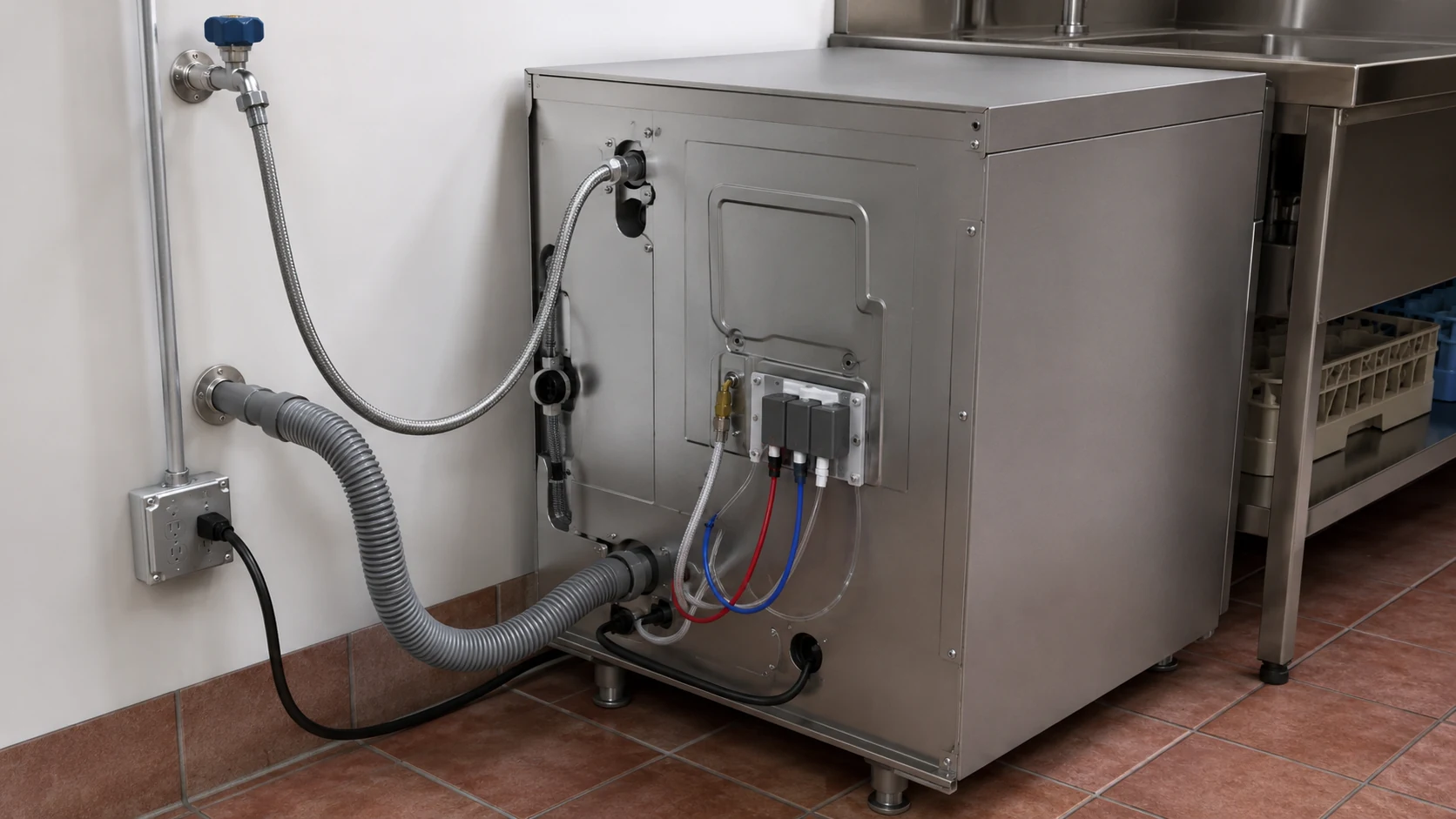
Water, Drainage and Chemical Connections
A workable installation requires correct inlet pressure, water temperature, drain position, drain height, electrical supply and chemical dosing arrangements.
Review hose routes, cable clearance, detergent and rinse-aid lines, shutoff access and service space before the surrounding tables are fixed.
How to select commercial undercounter dishwashers
A suitable model should match the dish load, rack format, sanitizing method, utilities and installation space rather than being selected by external dimensions alone.
Dish Types
Confirm plates, bowls, cups, cutlery, trays and the largest items that must fit inside the wash chamber.
Peak Rack Volume
Estimate racks per hour or the number of dishes generated during the busiest service period.
Rack Dimensions
Confirm rack width, depth, height and whether existing racks must be reused with the new machine.
Sanitizing Direction
Specify high-temperature or chemical-sanitizing operation according to the project and local requirements.
Water Conditions
Confirm inlet temperature, pressure, hardness and whether water treatment should be included.
Electrical & Drainage
Provide voltage, frequency, phase, available power, drain position and drain height.
Commercial undercounter dishwashers for restaurants, cafés and bars
Equipment capacity and utility configuration should reflect dish volume, rack turnover, menu style and the available back-of-house space.
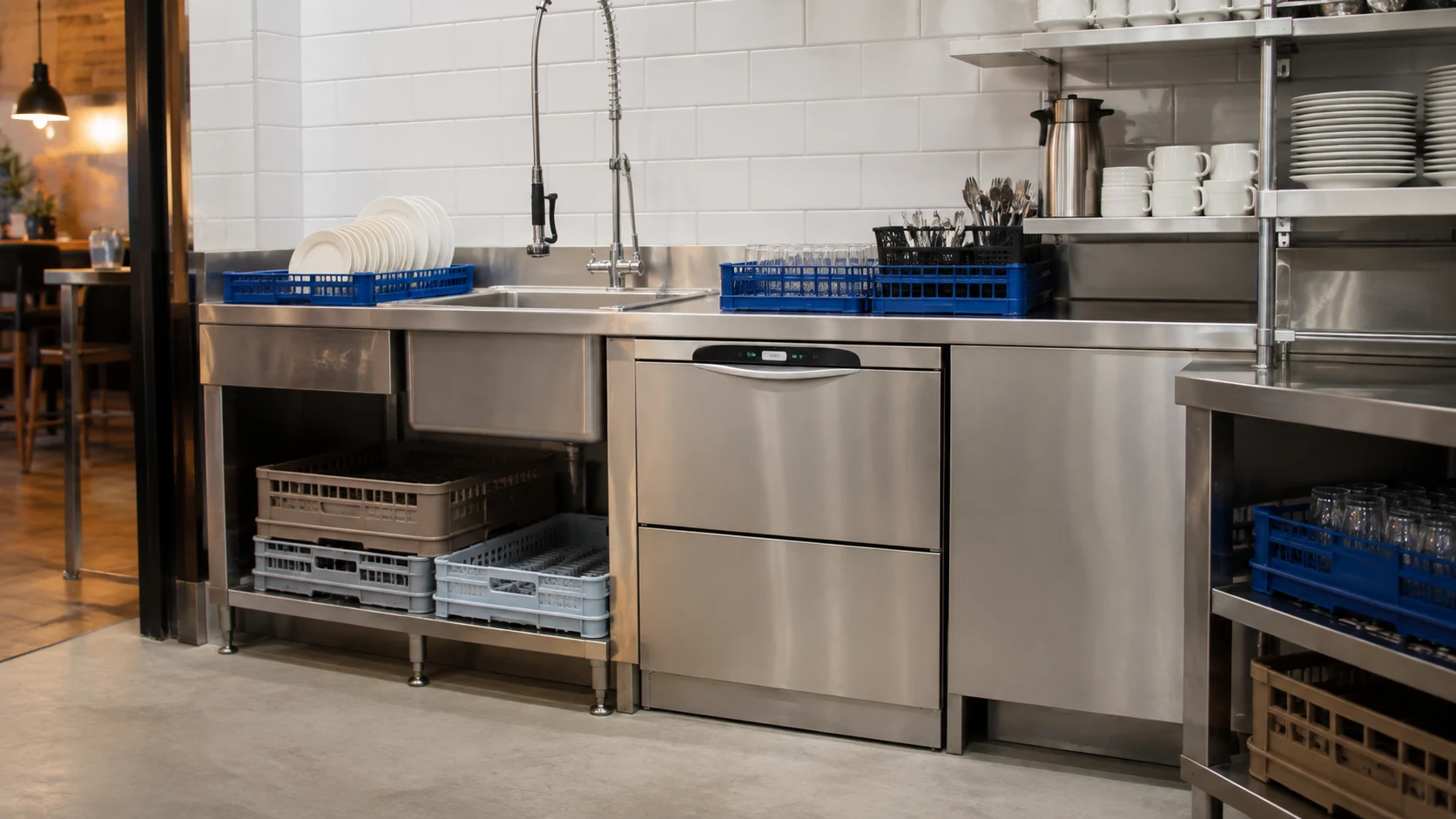
Small Restaurants
Compact plate and cutlery washing where floor space is limited.
Application 02Cafés
Frequent washing of cups, saucers, small plates and light foodservice items.
Application 03Bars
Back-counter washing for mixed items with moderate service volume.
Application 04Hotel Beverage Areas
Support washing for breakfast rooms, lounges and smaller service stations.
Small Canteens
Rack washing for controlled meal periods and moderate dish loads.
Satellite Kitchens
Local washing support for service points away from the main dishroom.
Quotation details for commercial undercounter dishwashers
Accurate matching requires rack, utility and installation information, not only a reference image or outside cabinet dimensions.
Wash Load
Dish types, peak racks per hour, largest item and rack dimensions.
Sanitizing
High-temperature or chemical direction and required dosing system.
Utilities
Voltage, phase, frequency, inlet water, pressure, hardness and drainage.
Installation
Available width, depth, height, door clearance and service access.
Send a dish list, rack photo or dishroom layout
PRIME can review photographs, floor plans, equipment schedules, existing quotations or complete kitchen lists and organize missing technical details before supplier matching.
Commercial undercounter dishwasher sourcing and installation coordination
PRIME helps overseas buyers organize specifications, compare suitable supply directions and confirm dishroom, utility, packing and delivery details before shipment.
Requirement Review
Organize dish types, rack volume, rack size and available installation space.
Machine Direction Matching
Compare standard, high-temperature and utility-specific configurations.
Utility Confirmation
Review power, inlet water, pressure, hardness, drain height and dosing.
Dishroom & Packing Coordination
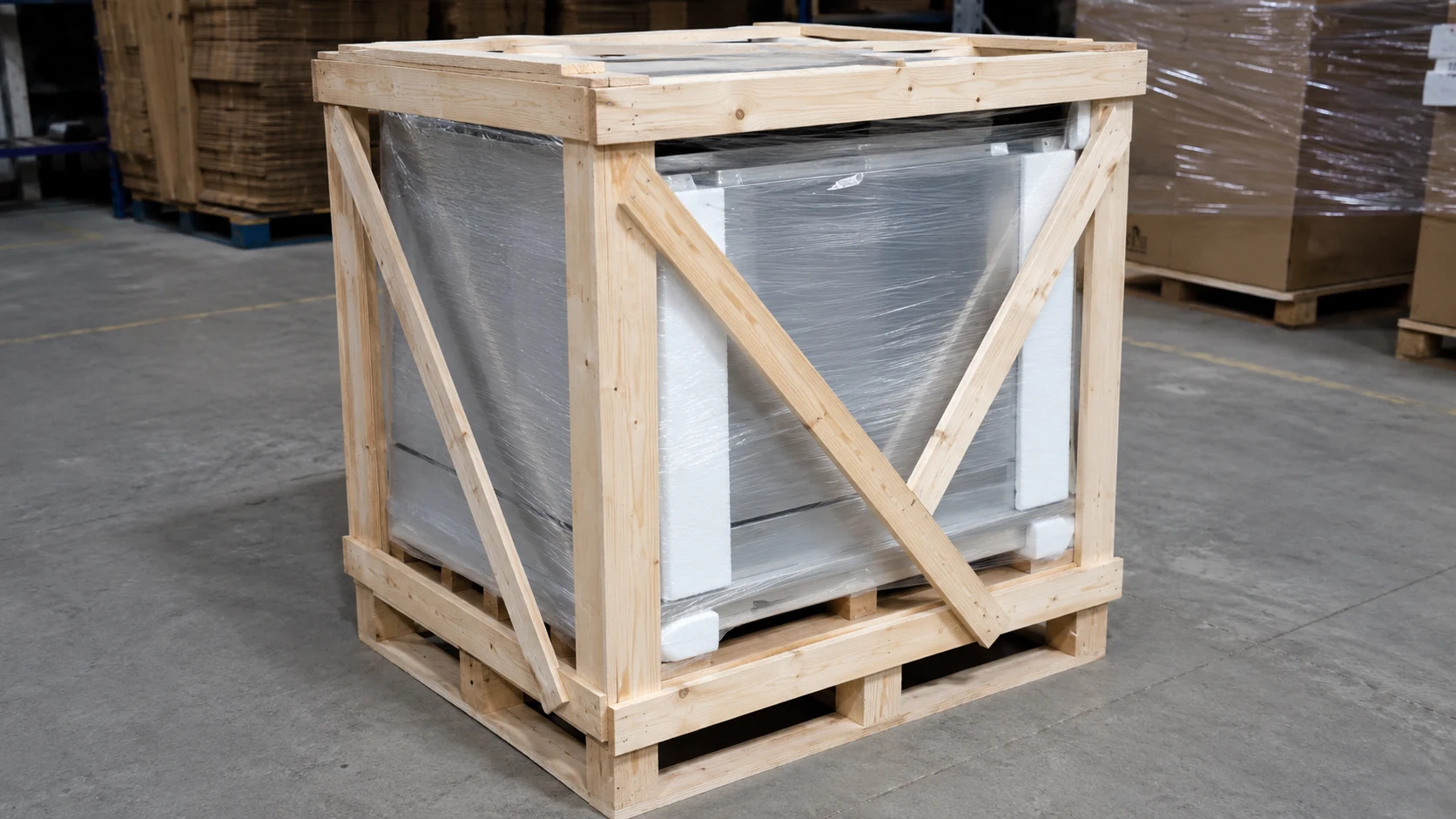
Match sinks and tables, then confirm protective film, pallet and wooden-frame packing.
Commercial undercounter dishwashers purchasing FAQ
These questions cover the main issues buyers should clarify before comparing compact commercial dishwashing machines.
What is the difference between an undercounter and hood-type dishwasher?
How many racks per hour does the kitchen require?
Should I choose high-temperature or chemical sanitizing?
What water and drainage information is required?
Can pre-rinse sinks and dish tables be matched with the machine?
How are commercial undercounter dishwashers packed for export?
Start your commercial undercounter dishwasher project
Send the dish types, rack size, peak rack volume, sanitizing direction, installation dimensions, voltage, water conditions and destination. PRIME will help organize the requirement and coordinate suitable options.